The short answer
Start your aluminum coil RFQ with the part you make and the specification your line runs. Then give the alloy, temper, dimensions and tolerances, coil handling limits, surface condition, and acceptance criteria. Include the order quantity, packaging, delivery point, and documents you need. Use the template below to put those details in one place.
Alloy, temper, and end use
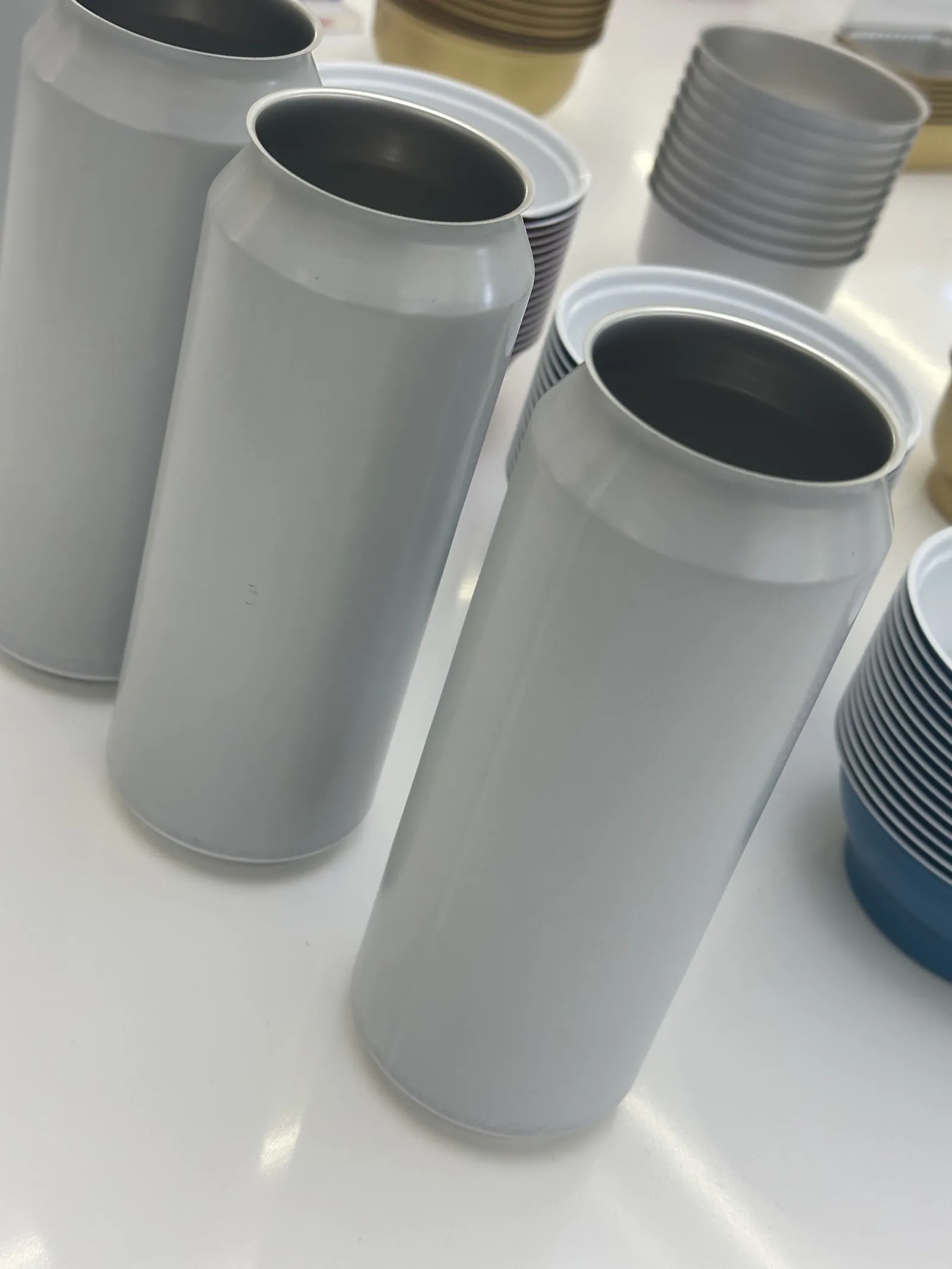
Say whether the coil is for a can body, end, or pull tab. Name the forming process and attach the current material specification or drawing. If your customer has approved a particular alloy and temper, get approval before changing either.
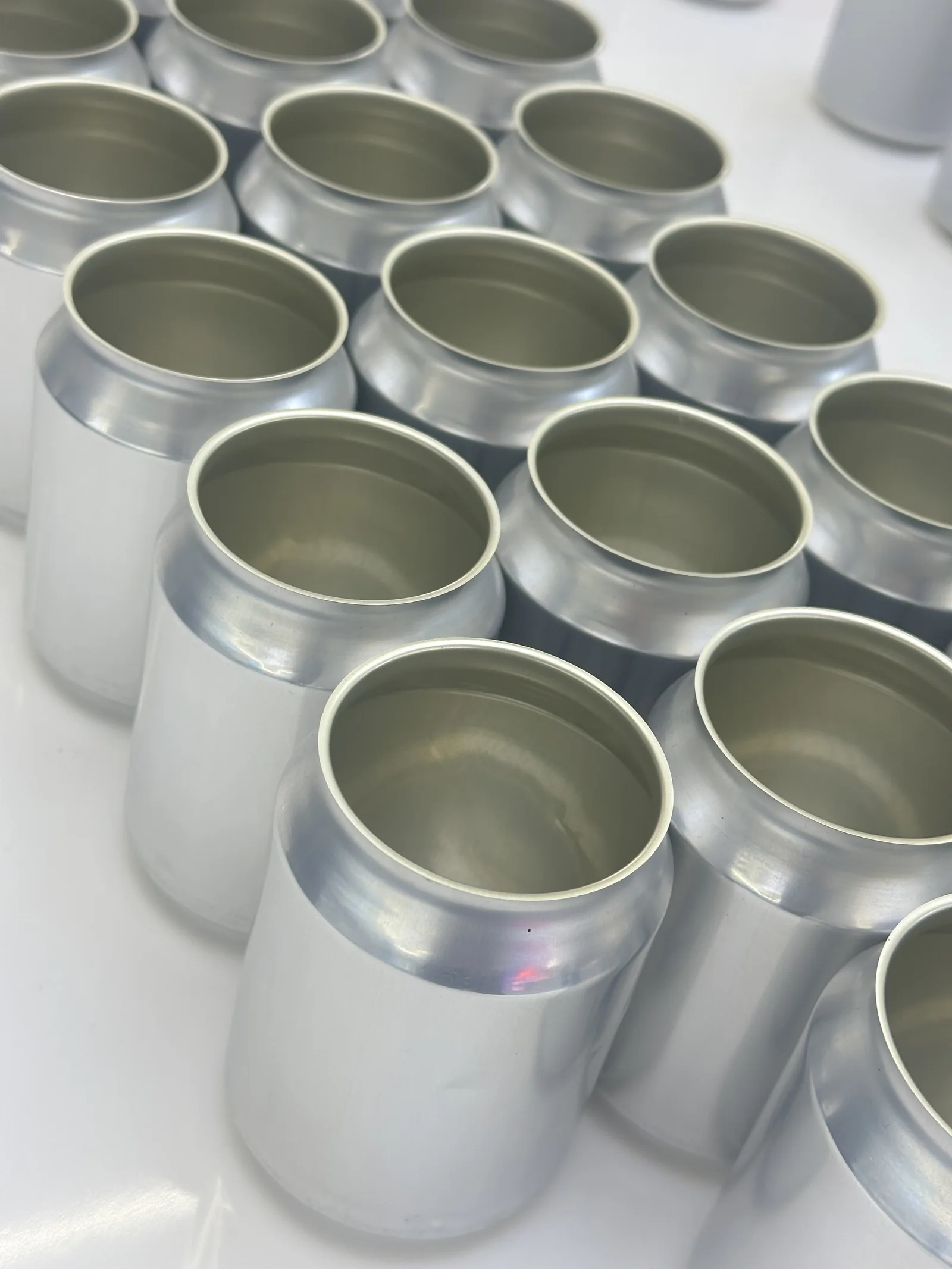
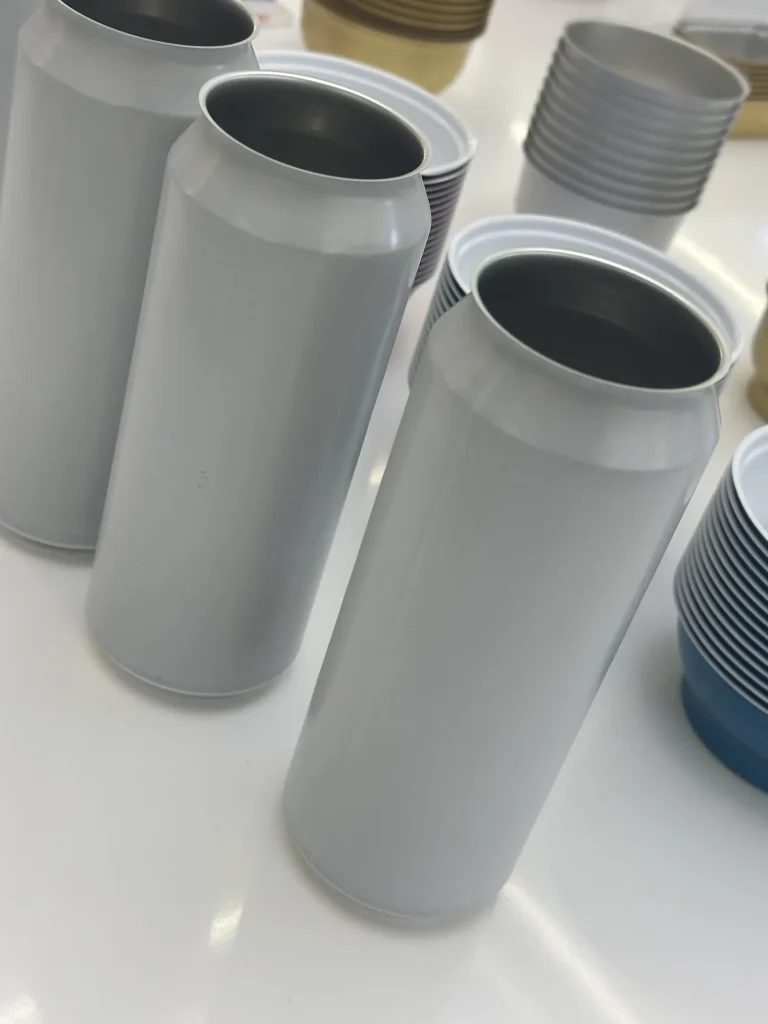
3104 is our lead grade for two-piece can bodies, including the integral bottom. We currently supply 3104 in H19 for draw-and-iron (D&I) can bodies. We can also produce 3004 for applications such as an existing specification qualified on that alloy. See 3104 vs 3004 for can body stock. 5182 is our lead grade for can ends and pull tabs. We currently supply it in H19. 5052 is also an option for ends where the buyer’s specification allows it.
If you can consider an alternative, specify which requirements it must meet and how it must be approved.
Thickness, width, and coil size
Give the nominal thickness and delivered width with their allowable deviations. Include the measurement method and locations if your specification defines them. If the supplier will slit the coil, give each required slit width and tolerance. If you slit in-house, give the master coil width and tolerance you need.
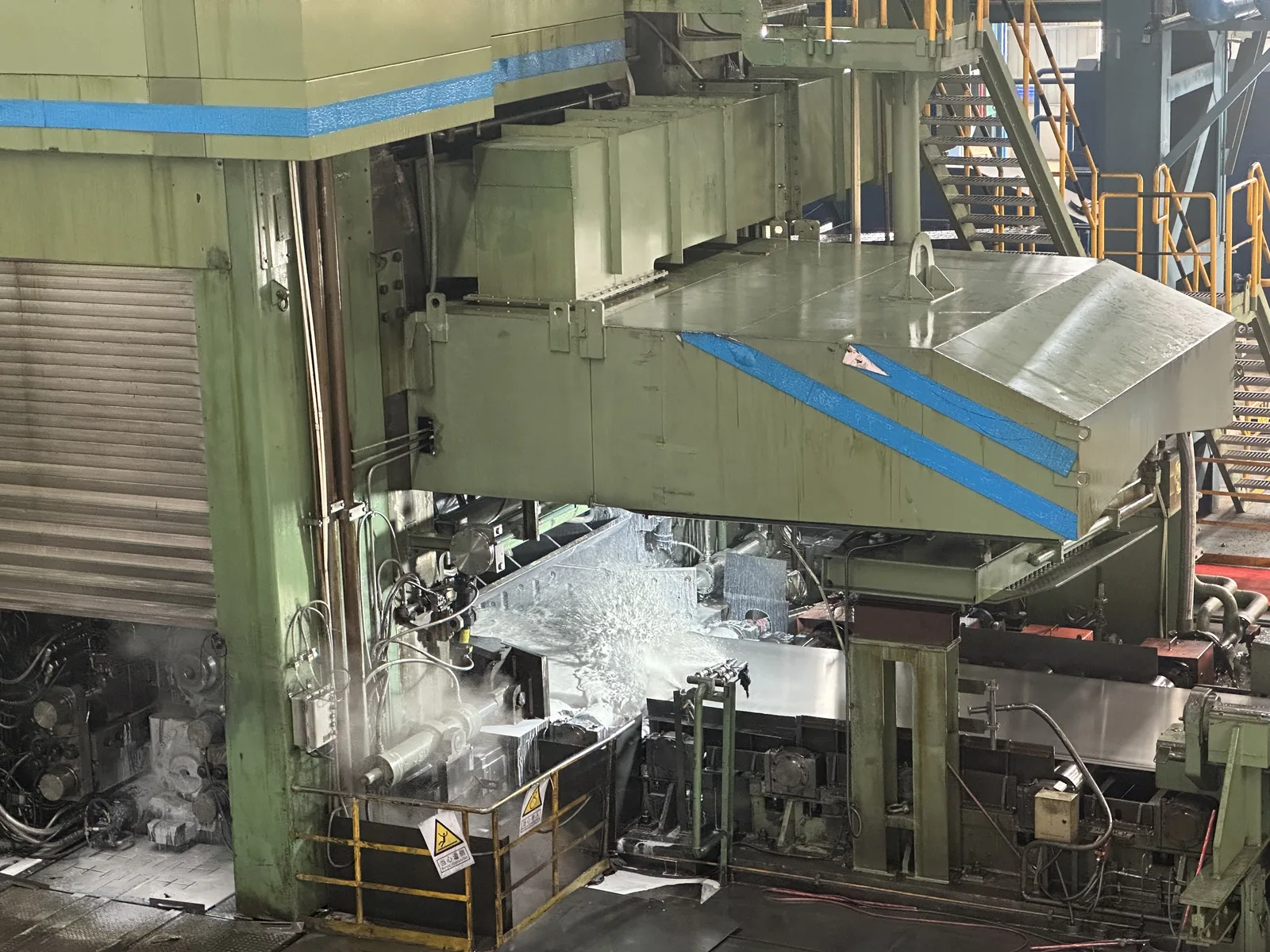
Our overall finished cold-rolled thickness range is 0.2 to 3.8 mm, and our overall finishing width range is 1200 to 2150 mm. Standard thicknesses for our seven main grades span 0.2 to 3.0 mm. Custom thicknesses are evaluated by order. Ask us to confirm your specific combination of alloy, temper, thickness, width, and tolerances.
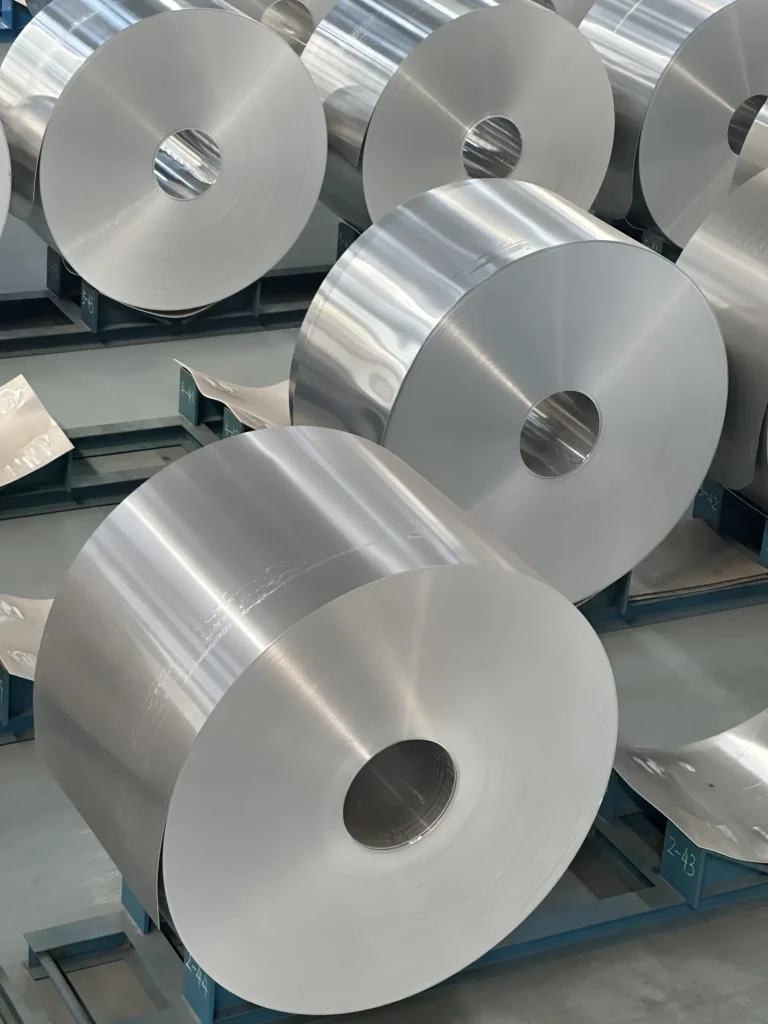
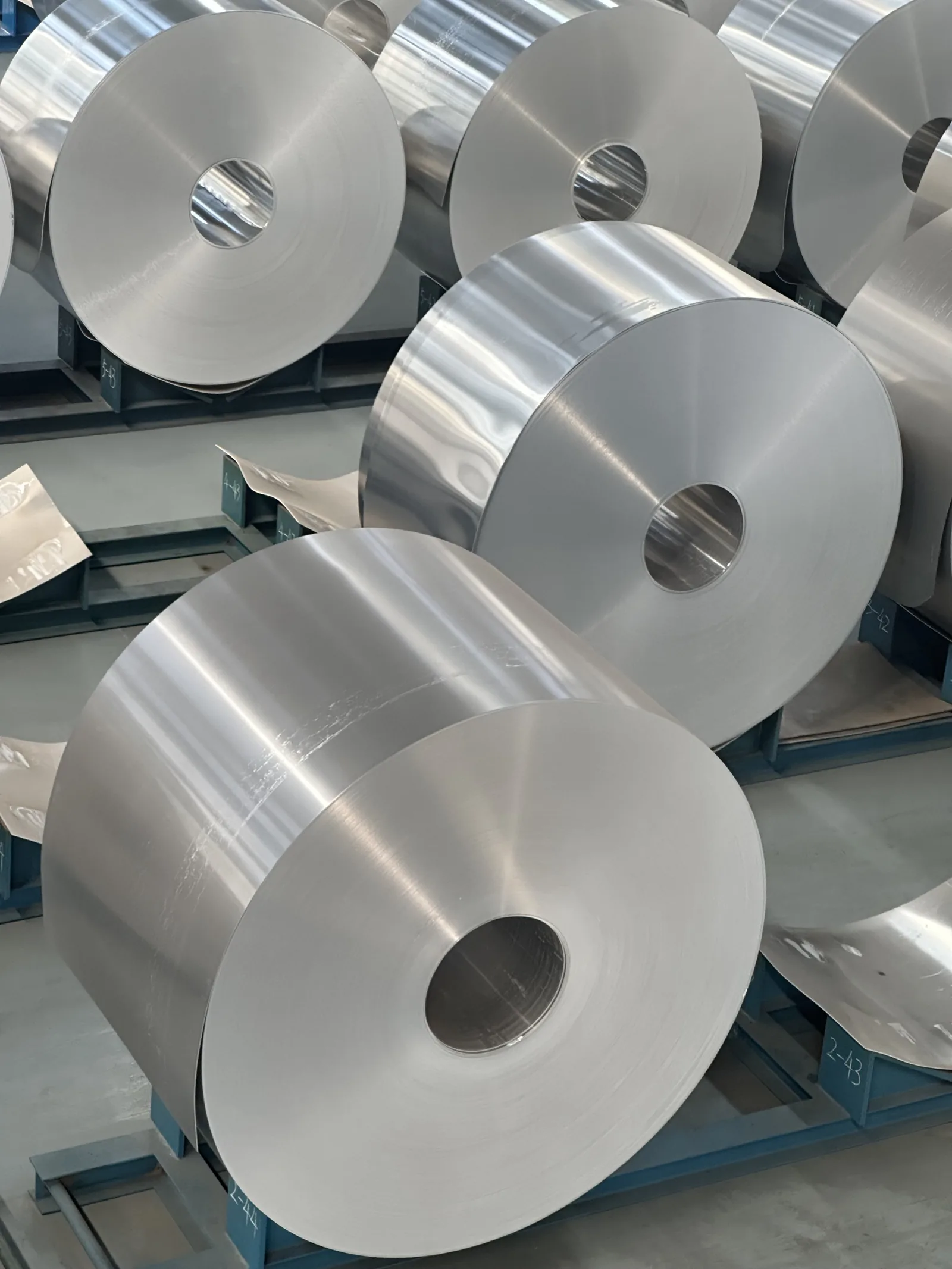
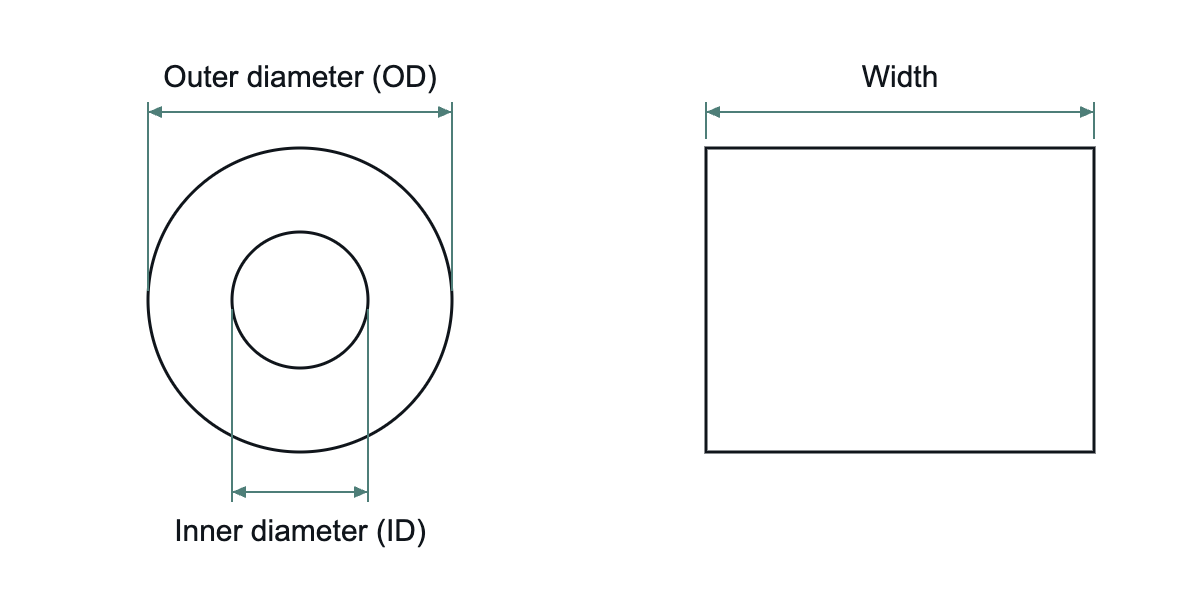
Give the inner diameter your uncoiler accepts, the maximum outer diameter, and the maximum net coil weight your equipment can handle. We confirm the inner diameter and net coil weight against your requirements for each order.
Surface and acceptance
Specify the surface condition you need on delivery. For coated stock, identify the required coating and side. Include any surface finish, cleanliness, or lubrication requirements from your line specification.
Our 3104-H19 can body stock ships with a mill finish free of dents and scratches. It is pre-oiled at 150–300 mg/m² per side and has a surface roughness Ra of 0.25–0.55 μm.
Give the mechanical limits and the test or sampling requirements that go with them. For D&I body stock, specify the earing limit and cup test method, plus any drawing and ironing trial you require. For ends and tabs, use the forming and acceptance checks for those parts. Identify any coil or lot markings you need for traceability. Each coil ships with a product quality certificate (mill test certificate); tell us if you need any additional inspection documents.
Quantity, packaging, and delivery
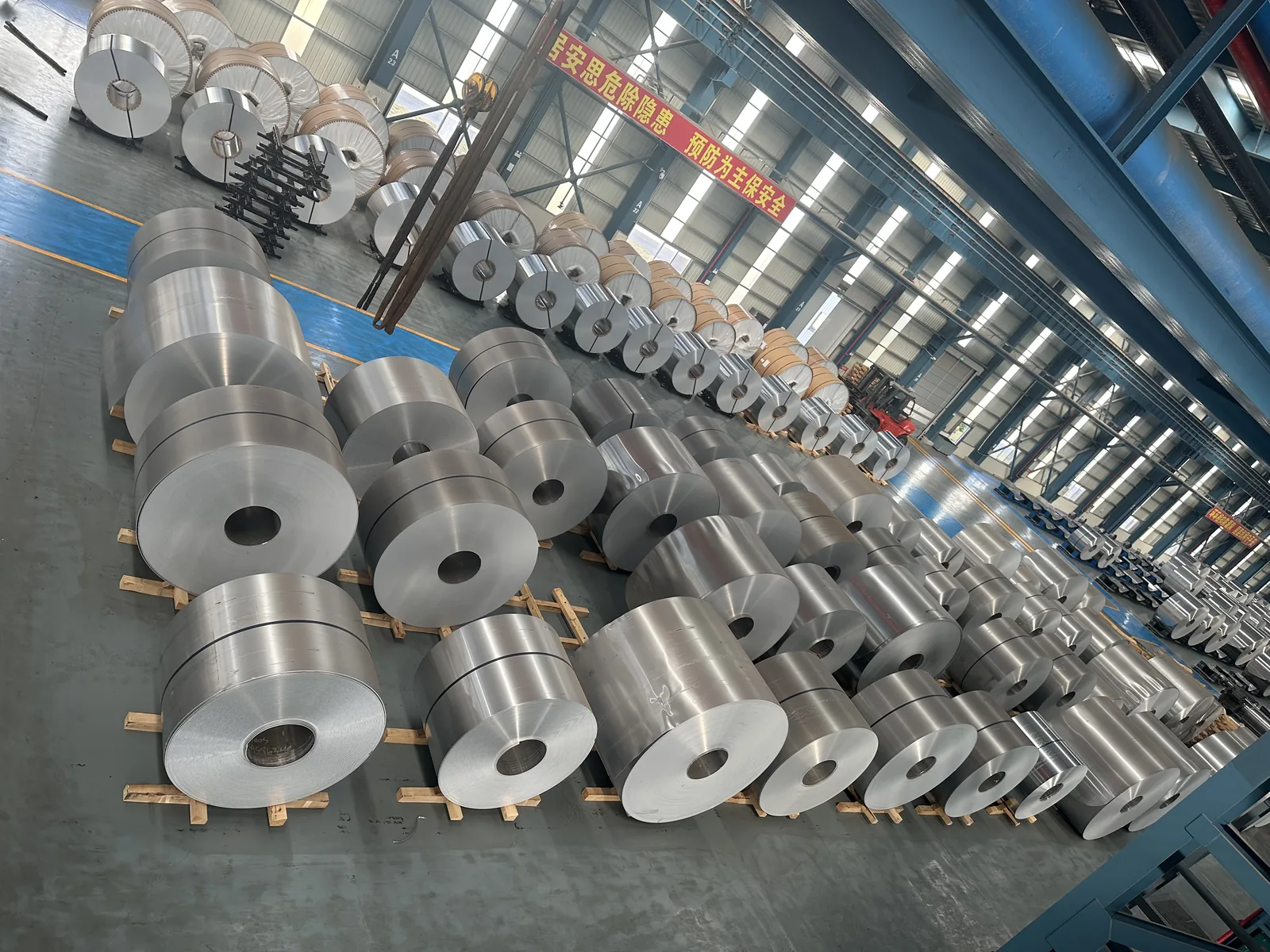
State the trial or order quantity and the expected volume for repeat orders, if known. Include your packing, handling, and label requirements. Coils are packed eye-to-sky or horizontal on wooden brackets, each labelled with weight, production date, PO and coil number, alloy, temper, size and unwind direction. Give the requested trade term and its named place or port, along with the destination if it differs. Our factory in Guangxi, China, produces the coils and is certified to ISO 9001, ISO 14001, and ISO 45001. We ship from Wuzhou Port.
Copy the template
For example, a D&I body-stock entry might read 3104-H19, 0.25 mm nominal thickness, and 1250 mm delivered width. These example values show how to fill in the fields. Copy the table and replace the prompts with your own requirements. Use the values and tolerances from your approved specification and confirm the combination with the supplier.
| Field | What to enter |
|---|---|
| End use and process | Can body, end, or pull tab, plus the forming process. |
| Material specification or drawing | Attach the document and give its number and revision, applicable standard, and any special chemistry limits. |
| Alloy and temper | Approved grade and temper. List permitted alternatives and approval criteria, if applicable. |
| Thickness | Nominal thickness, upper and lower deviations, and measurement method and locations. |
| Delivered width and slitting | Nominal width and allowable deviations. Say who slits the coil and list required slit widths and tolerances if the supplier slits it. |
| Coil dimensions and weight | Required inner diameter or allowed range, maximum outer diameter, and maximum net coil weight. Give units. |
| Edge and flatness | Edge condition and any limits for burr, camber, or flatness. |
| Surface and lubrication | Required finish, cleanliness, lubrication, and any coating and side requirements. |
| Mechanical properties | Required yield strength, tensile strength, and elongation limits, plus test method and specimen direction where specified. |
| Forming and inspection | Acceptance limits and test methods for the part. Include sampling requirements and any trial coil or line approval step. |
| Order quantity | Trial or order tonnage and expected repeat volume, if known. |
| Packaging and traceability | Coil orientation, protection, labels, and required coil or lot identifiers. |
| Delivery point | Requested trade term and named place or port. Give the destination separately if it differs. |
| Shipment documents | Each coil ships with a product quality certificate (mill test certificate). List any additional documents, formats, and test items you need, including any applicable coating or food-contact documentation. |
Send the completed template and your current specification through our Contact page. If you are qualifying a new coil, include the line trial or approval step in your RFQ.